Explore Boob Job Cape Town for Your Cosmetic Goals
Explore Boob Job Cape Town for Your Cosmetic Goals
Blog Article
Complete Cosmetic Breast Surgery: Personalized Approaches for You
Major breast surgery offers a spectrum of bespoke options designed to improve appearance and self-assurance. Each procedure, from enlargement to minimization, handles distinct individual goals. A thorough consultation establishes the base for specialized surgical techniques and predicted outcomes. Understanding the details of this experience is required. With several considerations to evaluate, patients frequently ask themselves the right way forward. What important elements should they prioritize as they evaluate their choices?

What Chest Enhancement Options Are Available and Which One Is Right for You?
When evaluating breast surgery alternatives, individuals frequently consider which procedure aligns with their goals and body type. Various options exist, including breast augmentation, reduction, and lift. Breast augmentation commonly involves implants to enhance size and shape, appealing to those looking for fuller breasts. Conversely, breast reduction is created for those dealing with discomfort from overly large breasts, designed to easing physical and emotional stress. A breast lift addresses sagging, bringing back a youthful contour without changing size.
Each option presents distinctive advantages and factors. For instance, augmentation can elevate self-esteem, while reduction can enhance overall comfort. The process of choosing often involves assessing individual goals, physical attributes, and possible dangers. Speaking to a experienced surgeon can provide valuable insights, ensuring individuals make informed choices that correspond with their desired outcomes. In the end, selecting the right procedure is a personal journey, customized for individual needs and goals.
Your Mammary Operation Guide to Understanding What Awaits
During the process of cosmetic breast surgery, grasping the pre-surgery consultation process is important for forming realistic expectations. This initial meeting allows patients to talk about their goals and get tailored advice from their surgeon. Additionally, being cognizant of the post-operative recovery timeline helps individuals prepare themselves for the healing phase ahead.
Pre-Surgery Assessment Workflow
A thorough preoperative consultation is important for anyone exploring cosmetic breast surgery. In this introductory meeting, patients can expect to discuss their aims, medical history, and any concerns they might have. The surgeon will perform a comprehensive evaluation, including physical assessments and imaging as required. This stage also includes educating patients about the various operation techniques, methods, and potential risks, ensuring realistic expectations. Patients should be encouraged to ask questions, fostering a interactive dialogue. Moreover, the surgeon may offer personalized suggestions according to anatomy and desired results. Ultimately, this consultation establishes the basis for a successful surgery, making sure patients are fully informed and comfortable with their choices.
Post-Operative Healing Timeline
Understanding the post-operative recovery timeline is important for anyone undergoing cosmetic breast surgery, as it sets clear understanding for the healing process. Typically, the first phase of recovery lasts about one to two weeks, during which swelling and discomfort are common. Patients may require support with routine tasks as they gradually regain mobility.
Critical Factors to Analyze When Making a Decision About Your Breast Surgery?
Weighing breast surgery demands that individuals evaluate several essential factors to confirm a successful outcome. Key considerations include their surgical targets and expectations, the qualifications and experience of the surgeon, and the recovery and aftercare plan. These elements play a significant role in shaping the overall experience and satisfaction with the procedure.
Objectives and Expectations for Surgery
Establishing specific medical objectives and managing expectations are fundamental requirements for anyone evaluating breast aesthetic procedures. Patients should examine their wishes, whether they seek augmentation, reconstruction, or correcting breast asymmetry. Grasping the constraints of surgery, including potential risks and recovery timeframes, is essential. People must furthermore assess their physical build, skin quality, and overall health, as these factors influence results of the operation. In addition, holding realistic perspectives about dimensions, shape, and visual appearance can prevent post-operative dissatisfaction. Engaging in open discussions with healthcare experts can support individuals in synchronizing their aspirations with feasible results, ensuring a more enjoyable experience. In conclusion, a deliberate approach to setting these goals can lead to a more rewarding and fulfilling outcome.
Doctor Certifications and Expertise
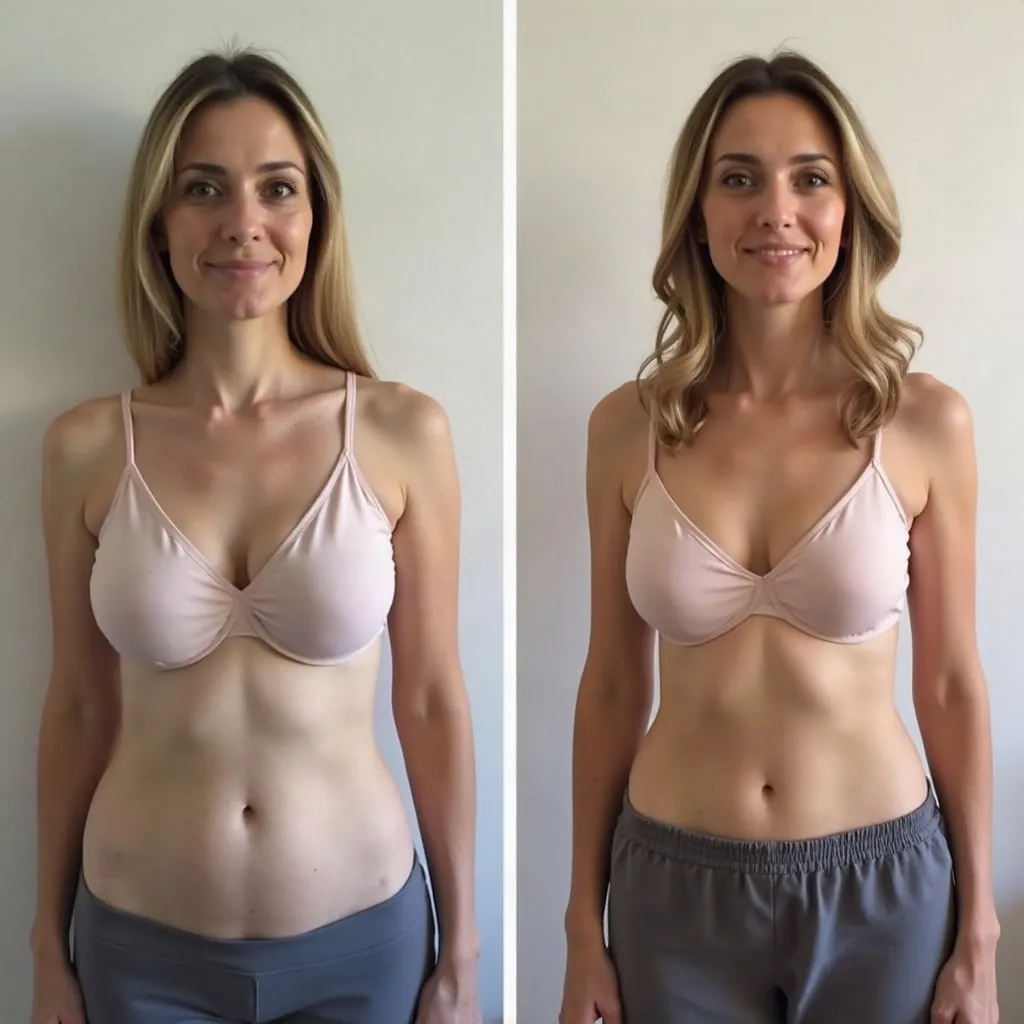
Choosing the best surgeon is crucial for achieving desired outcomes in cosmetic breast surgery. Prospective patients should emphasize board certification, as it shows that the surgeon has met rigorous training and education standards. Additionally, assessing the surgeon’s experience in specific procedures, such as breast augmentation or reconstruction, is essential; a specialist in the desired procedure often yields better results. Reviewing before-and-after photos of previous patients can offer a glimpse of the surgeon's aesthetic style and skill level. Moreover, patient testimonials and key resource reviews can give valuable perspectives on the surgeon’s bedside manner and overall care. Ultimately, a thorough vetting process guarantees that patients select a qualified surgeon who aligns with their goals and expectations for breast surgery.
Recuperation and aftercare plan
A well-structured recovery and aftercare plan is key for the effectiveness of cosmetic breast surgery. Patients should give importance to rest in the first days post-surgery, enabling their bodies to heal. Follow-up appointments with the surgeon are necessary for monitoring progress and resolving problems. Pain management may include medications prescribed by the physician, and patients should follow the recommended dosage. Maintaining a healthy eating regimen and staying hydrated supports in recovery. Compression garments may be recommended to reduce swelling and support the healing process. Patients are also advised to avoid intense exercises and heavy lifting for several weeks. Open communication with healthcare providers guarantees that any complications are quickly dealt with, ultimately resulting in a smoother recovery and improved surgical outcomes.
Recovery and Aftercare: What You Should Know
Successful restoration and aftercare are key factors of cosmetic breast surgery, greatly shaping the overall outcome. Following the procedure, patients typically endure tumescence, bruising, and discomfort, which can be managed with prescribed medications. It is imperative for individuals to conform to their surgeon's post-operative instructions, including wearing a supportive bra and eluding strenuous activities for a designated period.
Regular check-in visits enable the surgeon to monitor healing and address any concerns. Patients are advised to maintain a nutritious eating plan and stay hydrated to promote healing. Emotional support is also important, as emotional distress or mood changes can arise during this period.
While most individuals return to normal activities within a few weeks, complete healing may take several months. Understanding the healing schedule and potential risks helps set realistic goals, ultimately promoting a smoother healing journey and enhanced satisfaction with the surgical results.
The Manner in Which We Personalize Your Surgical Breast Experience
Tailoring the breast surgery experience starts long before the procedure itself, guaranteeing that each patient's individual needs and goals are prioritized. The process typically commences with an in-depth consultation, where the surgeon discusses individual choices, anatomy, and intended outcomes. This collaborative dialogue fosters a thorough comprehension of what each patient hopes to achieve, whether it's increasing breast size, replenishing volume, or correcting asymmetry.
After the first meeting, a customized surgical plan is created, adjusted to the particular needs and preferences of the patient. This plan may encompass various techniques, implant types, and incision placements, all selected to align with the patient's way of life and goals. Ongoing dialogue is emphasized during the entire process, allowing patients to express concerns and ask questions. In the end, the goal is to establish a nurturing setting, ensuring that each individual feels heard, valued, and confident in their surgical decisions.
Vital Questions to Discuss With Your Surgeon Before the Procedure?
What important inquiries should patients think about asking their surgeon before having breast procedures? First, individuals should inquire about the physician's credentials and expertise specific to breast procedures. Understanding the surgeon's history can provide peace of mind. Next, it is necessary to talk about the procedure method recommended and why it is the ideal choice for the patient's specific requirements.
Additionally, people need to discuss probable dangers and unwanted outcomes associated with the procedure. Knowing what to expect can help in making informed decisions. Concerns regarding recovery time and post-operative care are also noteworthy, as they impact overall satisfaction with the results.
Ultimately, tackling expenditures, funding alternatives, and what is included the overall price can stop unexpected expenses. By asking these questions, patients can establish clarity and confidence in their surgical journey, ensuring a bespoke experience that adheres to their goals.
Common Questions Asked
How Does Age Impact Breast Surgery Results?
Age influences breast surgery results greatly; younger patients commonly experience superior skin flexibility and better healing, while older individuals may deal with increased complications and prolonged recovery times. Each patient's specific physiology further determines outcomes and satisfaction.
Will My Insurance policy Cover Breast Surgery Costs?
Coverage for breast surgery insurance differs significantly depending on the procedure's classification, medical necessity, and individual policy terms. Patients should consult their insurance provider to clarify potential coverage and any required documentation or pre-approvals.
What Are the Potential Risks of Breast Surgery?
Potential dangers of breast surgery include infection, scar tissue formation, bleeding, changes in nipple sensation, asymmetry, and complications related to anesthesia. Patients should discuss these risks thoroughly with their surgeon to make informed decisions regarding their procedure.
Can Breast Surgery Be Paired With Complementary Treatments?
Yes, many people can pair breast surgery with other procedures, such as liposuction or tummy tucks. Consulting a qualified surgeon is essential to determine the most effective and safest combination tailored to individual needs.
How many times Should I Plan Subsequent Appointments?
Patients ought to reserve follow-up consultations at least once a year after breast surgery, with extra visits advised for any worries. Routine check-ups guarantee optimal recuperation and monitor for adverse effects, confirming long-term fulfillment and health.
Report this page